Squash @ Evesham
Welcome to
Evesham Squash Club
We are part of the Evesham Rowing & Racquets Club next to Abbey Park in Evesham. We have 3 fully-heated quality courts, cafe and bar and a active, social and friendly membership.
Courts can be booked online via our website, with automated court lighting and heating.
The club is an active member of both internal and external leagues - more details of which can be shared by our head coach.
Whether you are a younger player looking to improve your game or a returning ‘rusty racket’ looking to burn a few ‘fun calories’, we have the facilities and range of playing standards to suit.
We have various memberships plus Pay and Play options if you want to play without a membership.
If you’d like to chat about membership beforehand, please email the club office HERE
-
We have three excellent heated courts
-
Club members can book courts up to 14-days in advance from their computer or phone using our online booking system, MyClubhouse.
-
The Squash section has regular training nights and a club night weekly. A chance to get to know fellow members and have dedicated time to play.
Some of our players take part in local leagues - get in touch if you want to take part!
-
We have the changing rooms, piping hot showers, heated courts, and you also have access to The Boathouse Bar & Cafe (with a discount on purchases), free Wi-Fi, booking of the board/conference room and our main function room.
-
To enable members to use the club at will, we have a fob-based entry system for the front door, giving you access when you need it.
-
Every Full Squash Member can also use the Tennis courts as part of their subscription to the club.
-
Our club is affiliated with England Squash
Join Evesham Squash
Squash is a fantastic sport for all ages and abilities. Whether you are picking up a racket for the first time, returning to squash after a break, or looking for a friendly club where you can play regularly and improve your game, there is a place for you at Evesham Rowing & Racquets Club.
Our squash community is friendly, welcoming and sociable, with opportunities to play casually or competitively. Membership gives you the chance to play regularly, meet other players, take part in social squash
Getting Started
Contact the club and arrange to meet some of our members for a friendly game and a tour of the facilities.
Or, go straight to our membership page to join!
Affordable Membership
At Evesham Rowing and Racquets Club, we believe everyone should have the opportunity to enjoy squash, regardless of their financial circumstances. As a Community Amateur Sports Club (CASC), we are committed to making membership accessible and welcoming to all.
To support this commitment, we offer concessionary rates for eligible members. These rates are available to ensure that the annual cost of full participation does not prevent anyone from taking part and are below the £520 per year membership threshold set by HMRC for Community Amateur Sports Clubs (CASCs). If the cost of membership is a concern, please contact us in confidence to discuss the options available.
Squash Memberships
There are several memberships available to you at the club, from Junior up to a Family membership, but you can also simply sign up to our Pay & Play option. Once signed up, you can download the MyClubhouse App, log in and book courts for up to 14 days in advance.
Court lighting switches on when your booked session starts, and heating is automatic to ensure the courts are at the correct temperature for playing.
What is Squash?
Club squash is the most accessible way to get involved in the sport, catering for complete beginners through to competitive league players. Most squash clubs are based in leisure centres or dedicated facilities and offer coaching sessions, social play, internal leagues, and team competition. New players usually start with basic drills, friendly games, and guidance on rules and court etiquette, allowing them to improve at their own pace without needing previous experience.
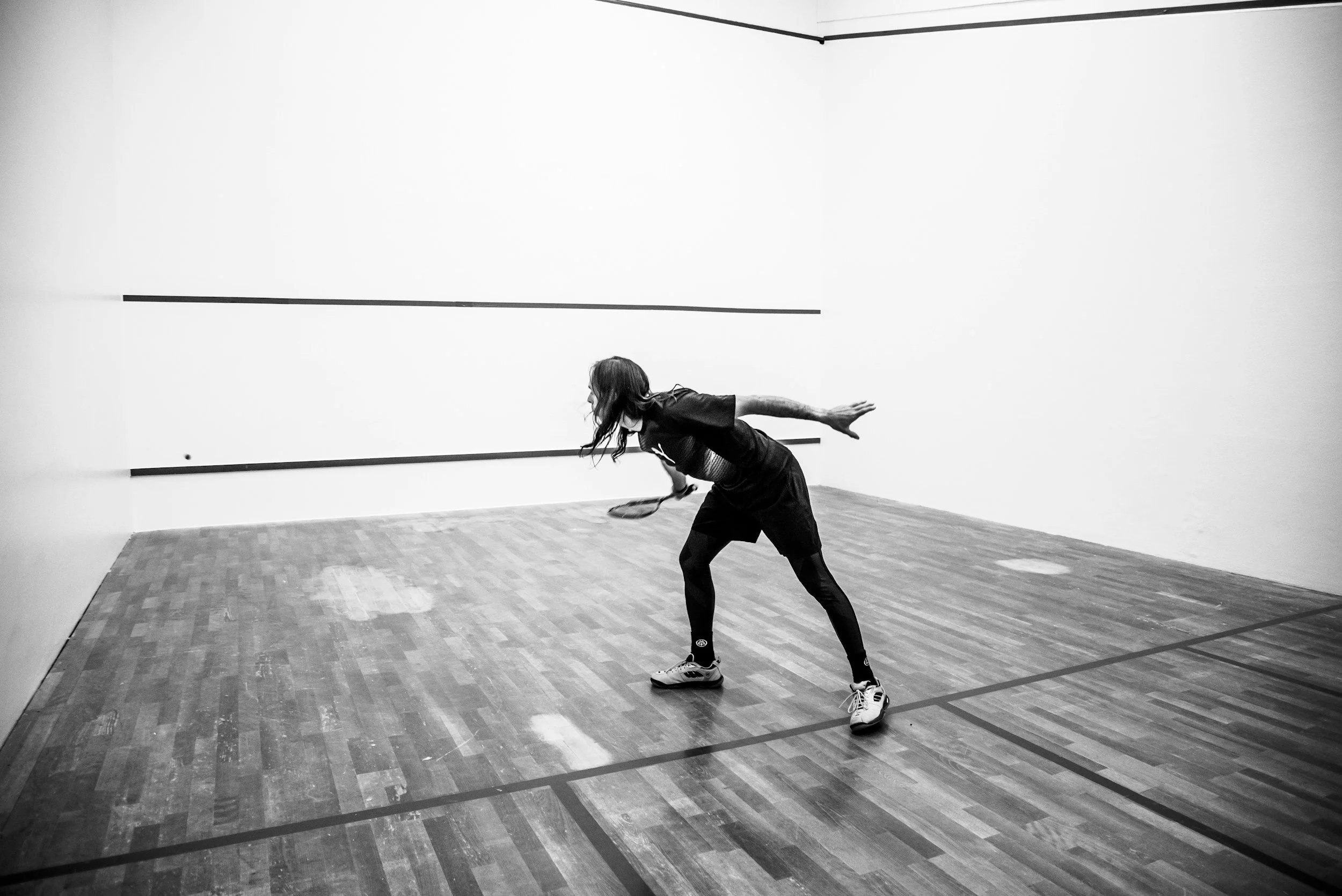
One of squash’s biggest strengths is its inclusivity and practicality. Matches are relatively short, courts are available year‑round regardless of weather, and the sport delivers an intense full‑body cardiovascular workout in a short amount of time. Club squash places strong emphasis on respect and safety—players share a confined space and follow clear rules to ensure fair play. This mix of fitness, focus, and social interaction makes squash a popular lifelong sport for people of all ages and abilities.
Why Play Squash?
Squash Facts You Need To Know
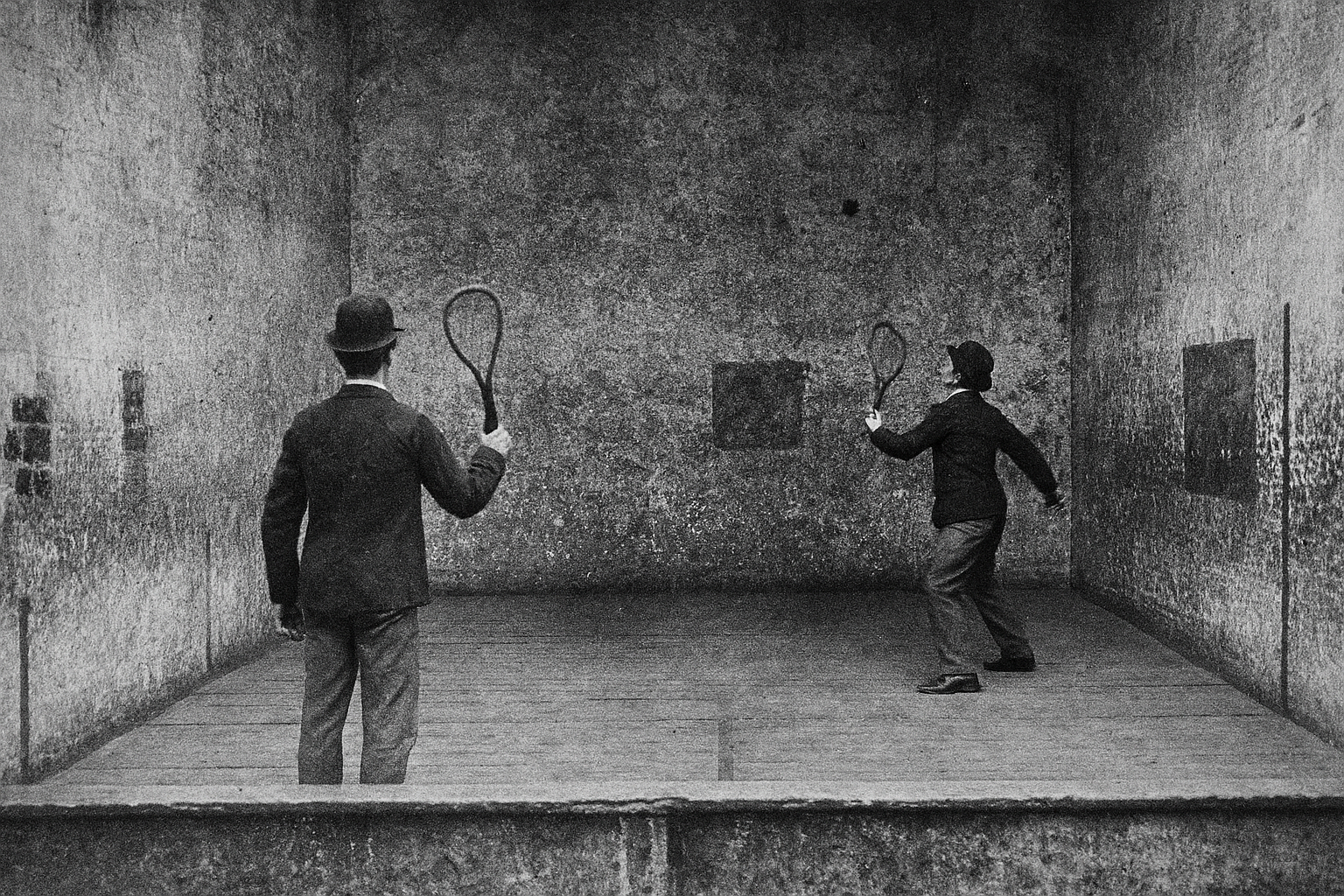
Squash was invented in England - and the first courts still exist
Squash originated in the 1830s at Harrow School in London, where students discovered that a punctured rubber ball created longer, more varied rallies than traditional rackets. The world’s first purpose‑built squash courts, opened in 1865, are still at Harrow today — making squash one of the few modern sports that can trace its physical roots to a single, surviving site in the UK.

Britain is one of the most successful squash nations in the world
At the Birmingham 2022 Commonwealth Games, British players won 8 of the 15 available squash medals, underlining the UK’s long‑standing strength in the sport across men’s, women’s, and mixed events.

Squash becomes an Olympic sport in 2028 — a first for Team GB
Squash will make its Olympic debut at the Los Angeles 2028 Games, marking the first time British players will compete as Olympic squash athletes. In preparation, UK Sport has awarded £500,000 in funding (2025–2029) to support British squash players across England, Scotland, and Wales.

Britain currently has multiple players ranked in the world’s top 10
As of late 2024 and into 2025, Great Britain has three players inside the top 10 of the world rankings, strengthening hopes of Olympic success at LA28 and reinforcing the UK’s continued relevance at the elite level of the sport. Image: Marwan ElShorbagy © englandsquash.com
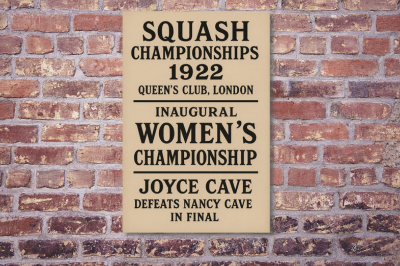
Squash legends helped define British sporting culture
The British Open, the inaugural Women's Championship, was held at the Queen’s Club, London in 1922, and is widely considered the most prestigious tournament in squash. It was long regarded as the sport’s unofficial world championship. And, the woman’s tournament start 8 years before the mens!
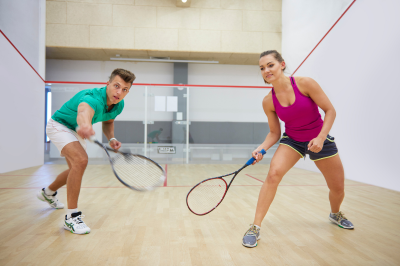
Squash is still played by hundreds of thousands across England
According to the Sport England Active Lives Survey, around 264,000 adults in England play squash at least twice a month, while over 770,000 people play at least once a year, confirming squash remains a significant grassroots sport despite post‑pandemic challenges.
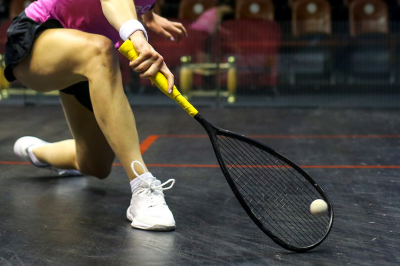
Squash is one of the most time‑efficient workouts
A typical 45‑minute squash session can involve thousands of direction changes, sprints, and lunges, making it one of the most intense indoor sports per minute played. This efficiency is why squash courts are popular lunchtime and after‑work fitness options across the UK.
Squash is often described as “chess at 100 miles an hour”
Because of its emphasis on anticipation, positioning, and spatial awareness in a shared space, squash is frequently cited by coaches as one of the most mentally demanding racquet sports — a key reason it retains strong appeal among competitive club players.
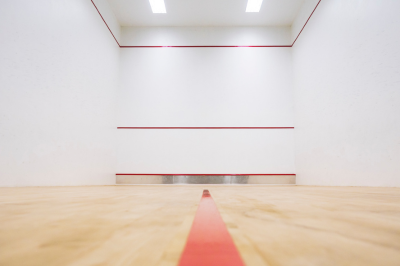
England has one of the highest densities of squash courts in Europe
The UK has thousands of squash courts across leisure centres, private clubs, universities, and schools — a legacy of squash’s strong roots in British education and local sport infrastructure.