

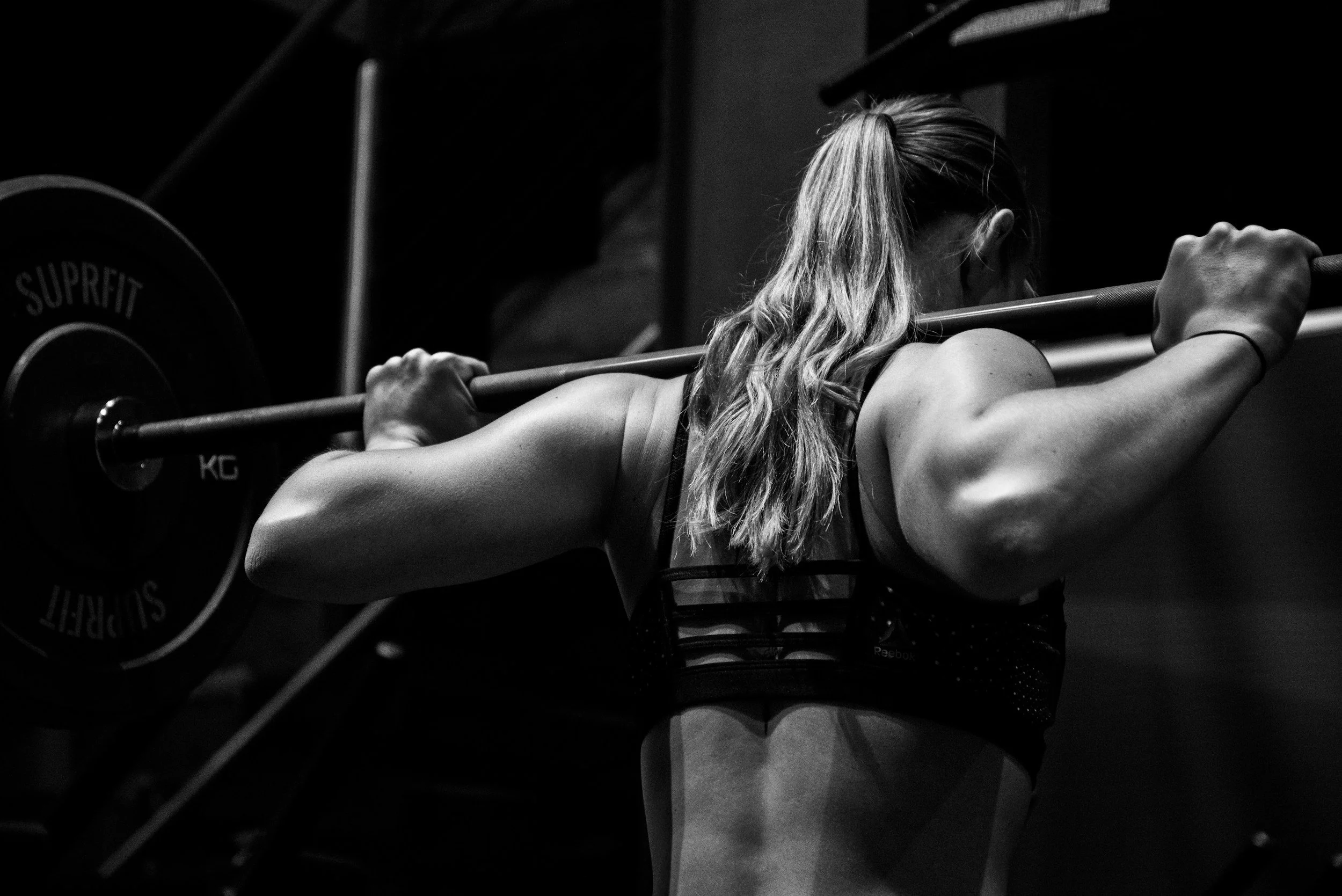
Weight Training
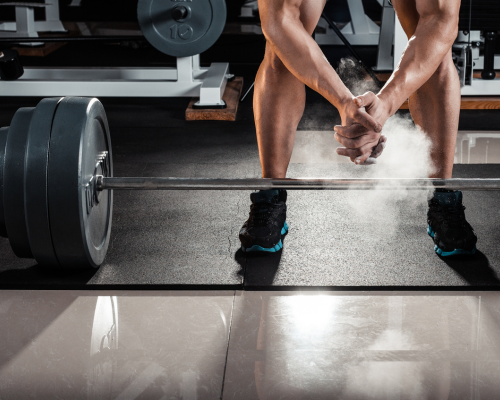
How we differ From A Gym:
It is important that potential members understand the context of why we have weight training at Evesham Rowing Club. Our style of weights, based on the heritage the club has had with Olympic weightlifting, is focused on weight training for rowers, and our highly trained coaches focus on the techniques and outcomes to improve rowers’ abilities. We are not a traditional gym.
Weight training in a general gym setting is often about individual fitness goals like getting stronger, looking fitter or improving overall health, and it usually involves a wide mix of machines and exercises that work specific muscles. Olympic weightlifting training, by contrast, is built around a small number of full‑body movements that focus on how the body moves as a whole. In a sports club context like rowing, this style of training isn’t about lifting the heaviest weight possible, but about developing coordination, balance, timing, and controlled power through the legs, core, and upper body working together. That’s why Olympic‑style exercises are useful for rowers: they closely match the demands of the rowing stroke, helping strength gained in the gym transfer more naturally and effectively into performance on the water.
Weight training is only available to Rowing members within the club and designed specifically to improve strength and conditioning for rower. Please ask your rowing coach about membership/use.
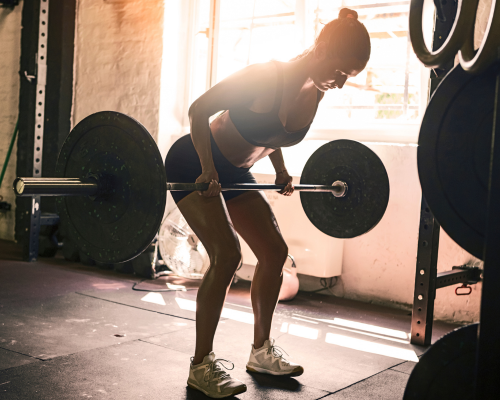
What is Weight Training?
Weight training, in a rowing club setting, is simply about using basic exercises and light-to-moderate weights to help your body cope better with rowing. Rowing uses your legs, back, core and arms all at once, and a bit of strength work helps those muscles work together more comfortably and confidently. For beginners, it’s not about lifting heavy or “bulking up” — it’s about building a stronger foundation so rowing feels smoother, more controlled and less tiring. Done sensibly, weight training can improve posture, support good technique, and help reduce the chance of aches or injuries, making your time on the water more enjoyable and sustainable.
As you move into intermediate rowing, weight training starts to play a slightly bigger role. At this stage, the aim is to support stronger, more powerful strokes and to help you stay consistent as training volume increases. The exercises we use come from Olympic weightlifting - not because we expect anyone to become a weightlifter, but because these movements are excellent for developing coordination, balance, and controlled power through the whole body. They mirror the way rowing demands strength from the legs, stability through the core, and connection through the upper body, all working together. For intermediate rowers, this kind of training helps translate strength into better boat speed, reinforces good movement patterns, and builds resilience so you can train harder and recover better, both on and off the water.
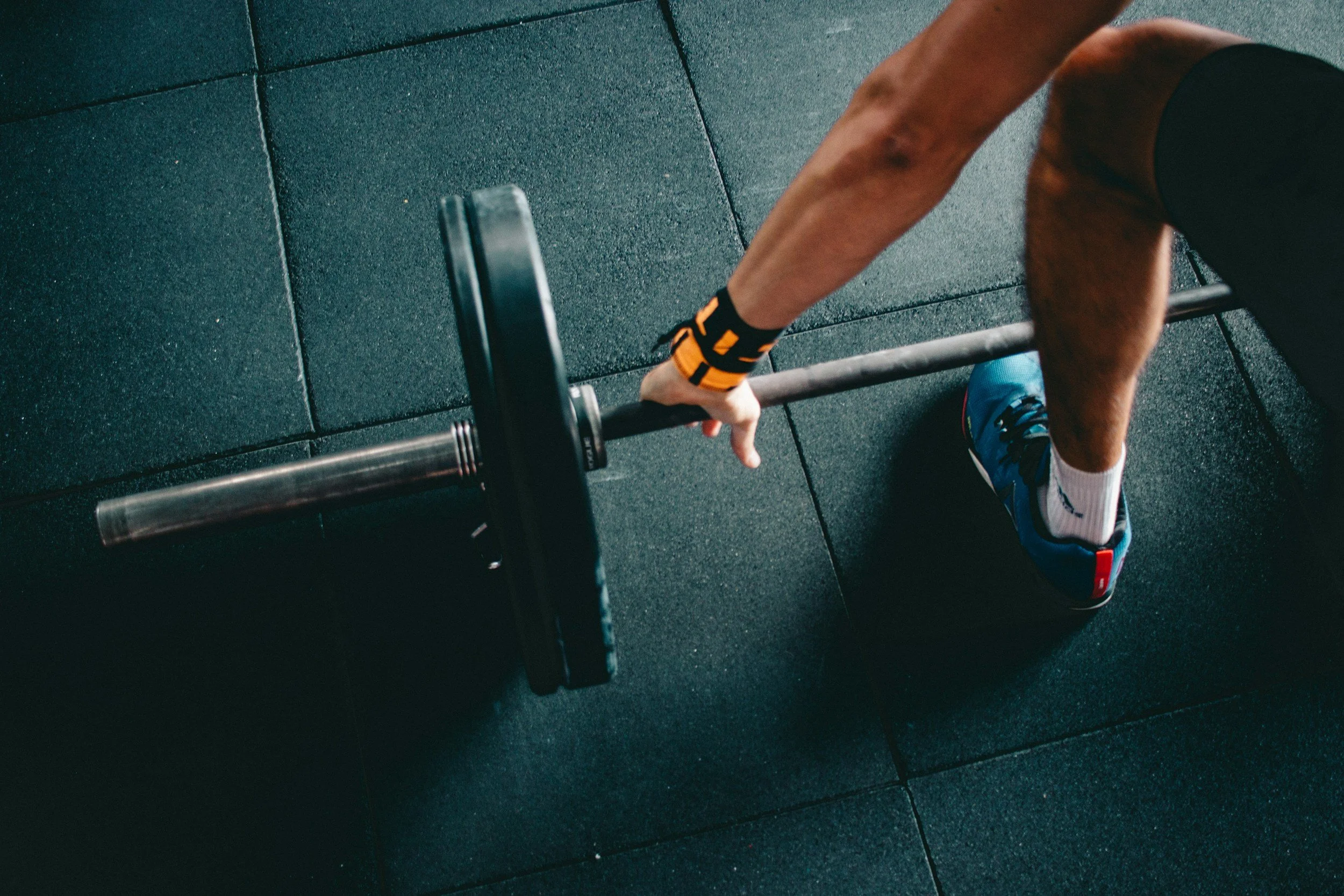
Weights Membership Options
Junior U13
12-month’s membership for one Junior age under 13yrs
Junior U18/Student
12-month’s Weights membership for one Student or Junior under age 18yrs
Single Adult
12-month’s weights membership for one adult - 18yrs+
Family - 1x Adult
12-month’s weights family membership for one adult and household children under the age of eighteen.
Family - 2x Adults
12-month’s weights family membership for two adults and household children under the age of eighteen.
Weight Training Glossary (Evesham Rowing Club Edition)
Weight Training
Using weights or resistance to make muscles stronger and movements more stable. In rowing, it supports better posture, stronger strokes, and helps the body handle training load more comfortably.
Olympic Weightlifting (in our context)
A style of training based on whole‑body movements that build coordination, balance, and controlled power. We use simplified versions of these exercises to support rowing technique — not to train competitive weightlifters.
Barbell
A long metal bar used to hold weights on each end. It allows you to move weight evenly and encourages good posture and balance, which translates well to rowing movements.
Plates
The round weights added to a barbell. They come in different sizes and weights, allowing exercises to be scaled up or down depending on experience and comfort.
Dumbbells
Shorter weights held one in each hand. They’re great for beginners because they allow natural movement and help build balanced strength on both sides of the body.
Kettlebell
A weight shaped like a ball with a handle. Often used for controlled swinging or lifting movements that build strength, stability, and coordination — all useful for rowing.
Bodyweight Exercise
Strength exercises that use your own body weight rather than external weights, such as squats or planks. These are often used alongside weights to build control and confidence.
Reps (Repetitions)
The number of times you perform a movement in a row. For example, doing a squat ten times equals ten reps.
Sets
A group of repetitions. For example, three sets of eight reps means doing eight movements, resting, then repeating that twice more.
Load
The amount of weight being used. In a rowing club setting, load is chosen to support good movement and technique, not to lift the heaviest possible weight.
Technique
How an exercise is performed. Good technique means moving smoothly, under control, and in a way that protects your body — far more important than how much weight you lift.
Power
The ability to apply strength quickly and smoothly. In rowing, this relates to how effectively you can drive through the legs and connect the stroke — weight training helps develop this safely.
Core
The muscles around your trunk, including your stomach, lower back, and hips. A strong core helps connect legs to arms, both in the boat and in the gym.
Stability
Your ability to stay balanced and controlled during movement. Weight training improves stability, which helps with consistency and efficiency in rowing.
Progression
Gradually increasing challenge over time — this might mean slightly more weight, better control, or improved confidence. Progression is steady and sensible, not rushed.
Warm‑Up
Light movement or exercises done before training to prepare the body. A proper warm‑up helps you move better and reduces the risk of injury.
Recovery
Time and activities that allow the body to adapt and rest after training. Strength training supports rowing best when paired with good recovery habits.